Type 2 diabetes is one of the most common lifestyle problems in India. In Ayurveda it is described under Prameha, and its advanced form is called Madhumeha (मधुमेह). The good news: with the right food, daily movement and herbs, most people can keep their sugar in a healthy range and feel more energetic. This guide explains the Ayurvedic approach in simple words.
How Ayurveda sees diabetes
Ayurveda links Prameha mainly to Kapha imbalance and weak digestive fire (Agni). Heavy, sweet and oily food, daytime sleep, little exercise and stress slowly disturb metabolism (Meda dhatu). Long-standing cases also involve Vata, which is why tiredness, weight loss and burning feet appear later. Treatment therefore aims to reduce Kapha and excess fat, improve Agni and protect the body’s tissues. Read our detailed Ayurvedic guide to diabetes for symptoms and causes.
Ayurvedic diet chart for diabetes (Indian food)
| Meal | What to eat |
|---|---|
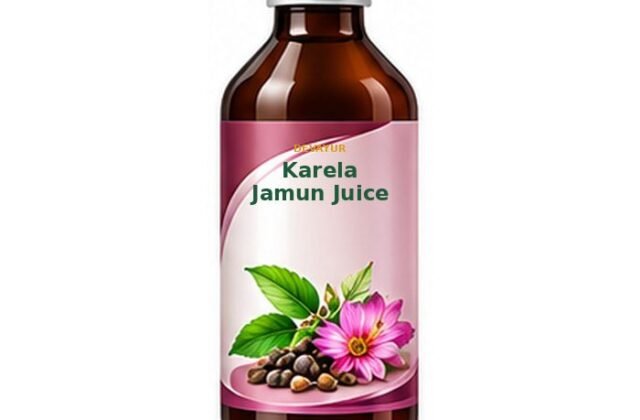
| Early morning | 1 glass lukewarm water; soaked methi seeds (1 tsp) or 30 ml Karela-Jamun juice |
| Breakfast | Moong chilla, vegetable daliya, jowar/bajra upma or 2 besan-methi rotis |
| Mid-morning | Buttermilk with roasted jeera, or a guava / jamun / small apple |
| Lunch | Multigrain or jau roti, green vegetable (lauki, tinda, karela, methi), dal, salad |
| Evening | Roasted chana, makhana or sprouts; green tea without sugar |
| Dinner (before 8 pm) | Light – vegetable soup, khichdi with plenty of vegetables, or 1–2 rotis with sabzi |
Avoid or reduce: sugar, sweets, maida, white bread, cold drinks and packaged juices, fried snacks, too much white rice, late-night heavy dinners and sleeping right after meals.
Herbs commonly used in Ayurveda for sugar
- Gudmar (Gymnema) – called “madhunashini”, traditionally used to reduce sugar cravings and support healthy glucose levels. See Gudmar Churna.
- Karela and Jamun – bitter and astringent tastes that balance Kapha. A convenient form is Karela Jamun Juice or Diabo Care Juice.
- Jamun seed – Jamun Seed Powder is an old home remedy for Prameha.
- Methi (fenugreek) – rich in fibre; Methi Seed Powder before meals helps many people.
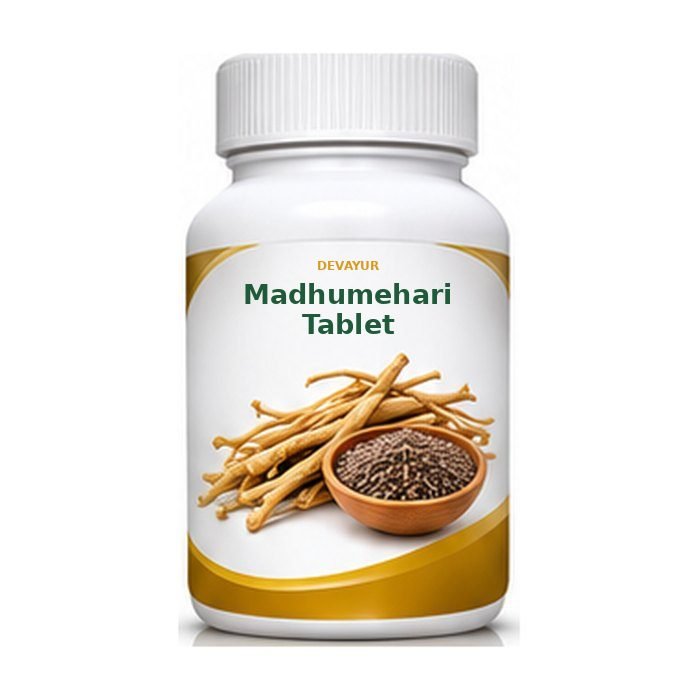
- Vijaysar, Neem, Giloy and Haridra – combined in formulas such as Madhumehari Tablet.
Prefer a ready set? The Sugar Control Combo pairs a juice with a tablet, and the 3-Month Diabetes Care Plan adds monthly doctor reviews and a personal diet chart.
Daily routine (Dinacharya) that lowers sugar
- Wake up before 6 am and walk briskly for 30–45 minutes.
- Yoga: Surya Namaskar, Mandukasana, Ardha Matsyendrasana, Dhanurasana (as comfortable).
- Pranayama: Kapalbhati (slowly) and Anulom-Vilom for 10 minutes.
- Walk 10 minutes after every meal – it clearly reduces after-meal sugar.
- No daytime sleep; sleep by 10:30 pm.
Using Ayurveda safely with diabetes medicines
Ayurvedic herbs can add to the effect of tablets or insulin. Check your sugar regularly (fasting, after meals and HbA1c every 3 months). If readings start falling below 80 mg/dL, tell your doctor – your dose may need to be reduced. Never stop or change prescribed medicines on your own.
When to see a doctor
See a doctor quickly if you have very high readings (above 300), repeated low sugar, wounds that do not heal, numbness in the feet, blurred vision or sudden weight loss. For a personal plan, book a Diabetic Wellness consultation with our Vaidya – it is an online video call of 15 minutes.
Frequently asked questions
Can Ayurveda cure diabetes completely?
Type 2 diabetes is a long-term condition. Ayurveda helps control sugar, weight and complications along with diet and exercise; many people need fewer medicines over time, but changes must be made by a doctor.
Which Ayurvedic juice is good for sugar?
Karela and Jamun juice taken on an empty stomach (20–30 ml with water) is the most common choice. Monitor sugar if you also take diabetes medicines.
Can I take Ayurvedic medicine with Metformin?
Usually yes, under a doctor's supervision. Keep checking your sugar because herbs may lower it further.
How long does it take to see results?
Most people notice better energy and readings in 6–12 weeks of regular diet, walking and medicines.
This article is for general information and does not replace a doctor’s advice. Results vary from person to person. Do not stop ongoing medicines without asking your doctor.